



sms laminatoi a freddo
/Unlocking the Potential of Cold Scratch A Comprehensive Guide to Reducing Seasonal Skin Irritations Every year, as temperatures plunge, countless individuals brace themselves for the onslaught of cold-induced skin irritation, colloquially known as cold scratch. This largely unspoken issue manifests in the form of itchy, flaky, and sometimes painful skin, puzzling many who seek relief. Recognizing its broad impact, this guide aims to explore the subject through the lenses of experience, expertise, authoritativeness, and trustworthiness, ultimately uncovering viable solutions to improve quality of life and provide peace of mind during the harsh winter months. Through extensive research and clinical observations, dermatologists have pinpointed cold scratch as a manifestation of the skin’s reaction to reduced humidity and lowered temperatures. The phenomenon predominantly affects individuals with preexisting skin conditions such as eczema or psoriasis, but is not exclusive to this group. Indeed, anyone can fall victim to the discomforting symptoms. These symptoms may arise suddenly with exposure to cold winds or fluctuating indoor heating. Armed with a proper understanding, it becomes possible to mitigate these effects and enhance skin resilience. From an experiential standpoint, Annie Jordan, a 36-year-old writer from Vermont, shares her yearly battle with cold scratch. She explains how the onset of winter typically heralds a relentless itch that disrupts her daily life. I've tried countless remedies, from over-the-counter ointments to homemade concoctions, but finding something truly effective took years, she recalls. Her journey reflects a common frustration but also illuminates hope through eventual relief. Expertise in dermatology empowers physicians with insights on how to counteract these seasonal skin tribulations. Dr . Lisa Rowe, a distinguished skincare specialist, notes the importance of maintaining skin hydration as paramount. It's crucial to incorporate thicker, oil-based moisturizers that act as a barrier against environmental aggressors, Dr. Rowe emphasizes. She advocates for products infused with ceramides and hyaluronic acid, noting their proven efficacy in enhancing the skin's natural moisture retention. cold scratch Moreover, Dr. Rowe stresses the role of diet and hydration, urging individuals to consume Omega-3 rich foods to support skin health from the inside out. Supplements, while beneficial for some, should always follow consultations with healthcare providers, given the variance in nutritional needs and potential interactions. Establishing authoritativeness, organizations such as the American Academy of Dermatology (AAD) provide guidelines to further assist those afflicted with cold scratch. Their publications endorse gentle skin-care routines, advising the use of lukewarm water, fragrance-free cleansers, and the application of moisturizers immediately after bathing. By following these guidelines, individuals can significantly reduce the severity of their symptoms. Trust in a solution, however, lies in the intersection of evidence-based practices and personal experience. Online skincare communities have burgeoned, offering forums for individuals to share their unique tips and success stories. These platforms, while anecdotal, often function as invaluable resources for those navigating similar challenges, creating a shared sense of support and solidarity. For anyone confronting the vexing issue of cold scratch, an amalgamation of expert advice and lived experience can point to a feasible pathway forward. Essential practices include consistently moisturizing with dermatologist-recommended products, adjusting diets to include beneficial nutrients, and adopting environment-sensitive skincare routines. It’s advisable, especially for those with intense symptoms, to consult healthcare providers to tailor a regimen that is both safe and effective. Ultimately, while cold scratch remains an inevitable reality for some, leveraging accumulated knowledge and collective wisdom can transform this seasonal discomfort from a winter dread into a manageable annoyance. Through continued research and sharing of insights, we inch closer to comprehensive relief—ensuring skin comfort during the frostiest of seasons.
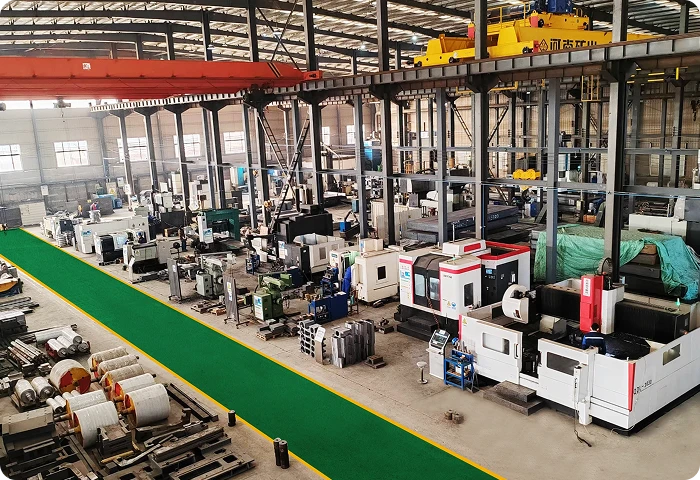

We have successfully executed over 500
projects around the world,
many first-of-their-kind
research projects and products in China, including
We have successfully executed over 500
projects around the world,
many first-of-their-kind
research projects and products in China, including
-
2004
The 1st hydraulic AGC system for hot rolling of ribbon steel
-
2006
The 1st AFC system used for 1450mm skin pass mill
-
2009
The 1st 5-stand tandem line with 2-stand POR & Uncoiler for 650mm ribbon steel
-
2012
The 1st reversing mill for 1380mm strip
-
2016
The 1st soft-rolling system used in skin pass mill
-
2019
The 1st fully automated medium-width tandem cold rolling mill
-
2021
The 1st 5000KN Twin-stand double skin pass mill
-
2022
The 1st coupled pickling line & tandem cold mill with two modes - big roller & small roller


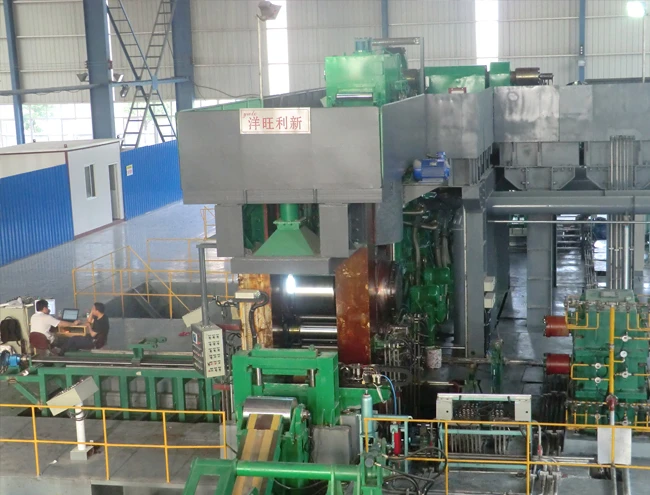
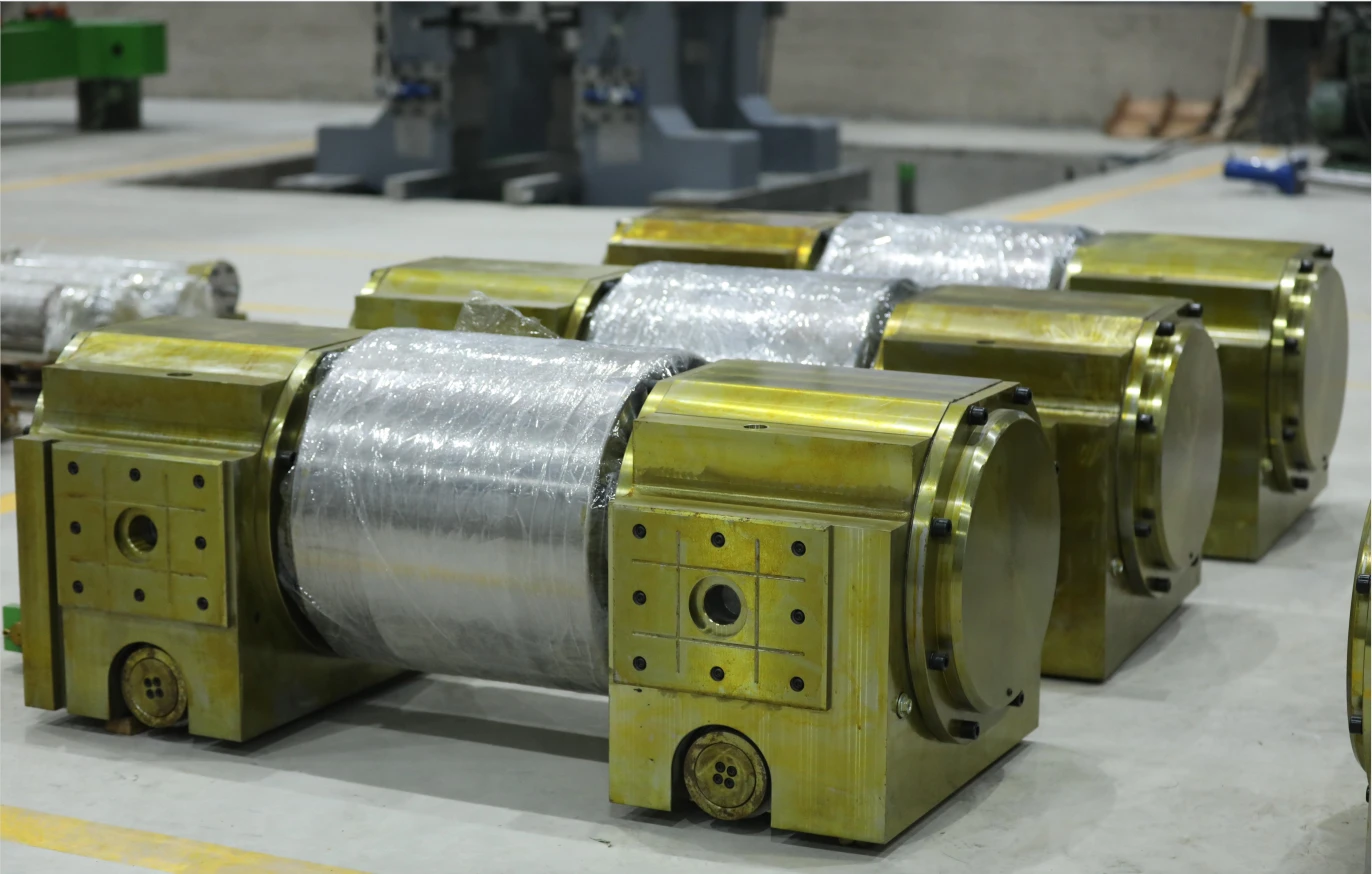

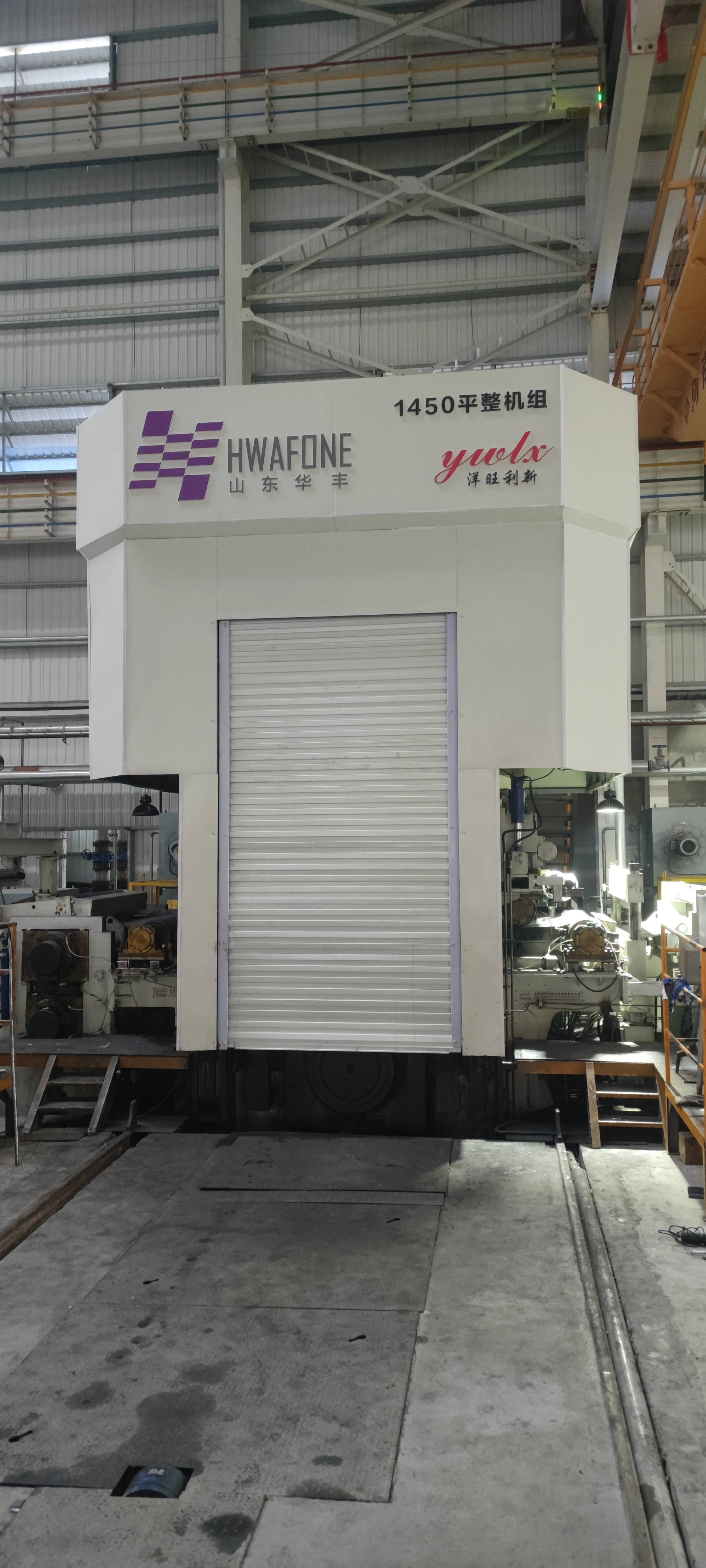
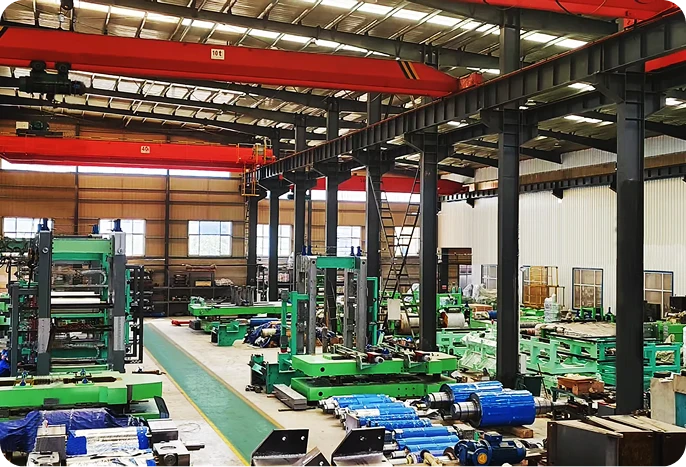
Yang Wang Li Xin operates a state-of-the-art facility over 66,000 square meters,and our manufacturing facility is fully equipped with high-tech machinery and high-capacity cranes. This enables us to handle large work pieces measuring 4.5m in width, 10m in length, and 1.5m in height, guaranteeing our capacity to produce 1800mm skin-pass mills and 1450mm rolling mills. The individual piece can weigh up to 100 tons.


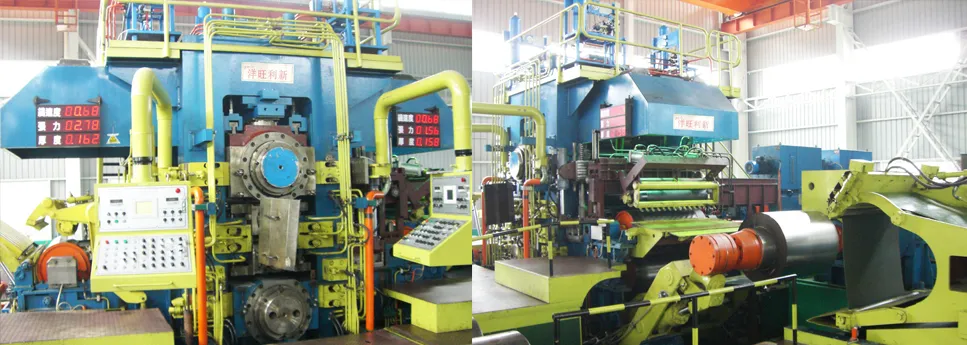
Quality is fundamental to the enterprise survival. We have established a comprehensive and meticulous quality management system and have successfully obtained ISO14000 certification. Starting from the design source, it supervises the entire production cycle, including design, procurement, processing, assembly, in-factory testing, installation, and online commissioning. The workshop is equipped with measuring tools like vernier calipers, spectrometers, hardness testers, and ultrasonic flaw detectors. They are used to check materials and control tolerances to ensure the final equipment meets or exceeds requirements. All products have a unique code, This enables the easy identification and traceability of the equipment components and ensures full control of quality.


-
 Roll Bonding Cladding Tech | Lightweight SolutionsRoll bonding cladding is a pivotal surface engineering process for manufacturing bimetallic plates, tubes, and components essential in sectors like petrochemical, metallurgy, and infrastructure. As global industries shift toward higher quality, longevity, and environmental performance, hot roll bonding cladding and advanced roll bonding cladding equipment have rapidly become key drivers of innovat
 -
 Cladding Rolling Mill - YWLX Metal Cladding SolutionsIntroduction Cladding Rolling Mill has emerged as a transformative solution in the metal processing industry, offering a sustainable and efficient method for producing high-quality metal cladding products. Developed by Beijing Yang Wang Li Xin Sci&Tech Co.,Ltd. (formerly Shijiazhuang Yangwang Electromechanical Technology Co.,Ltd), this technology addresses the limitations of traditional methods su
 -
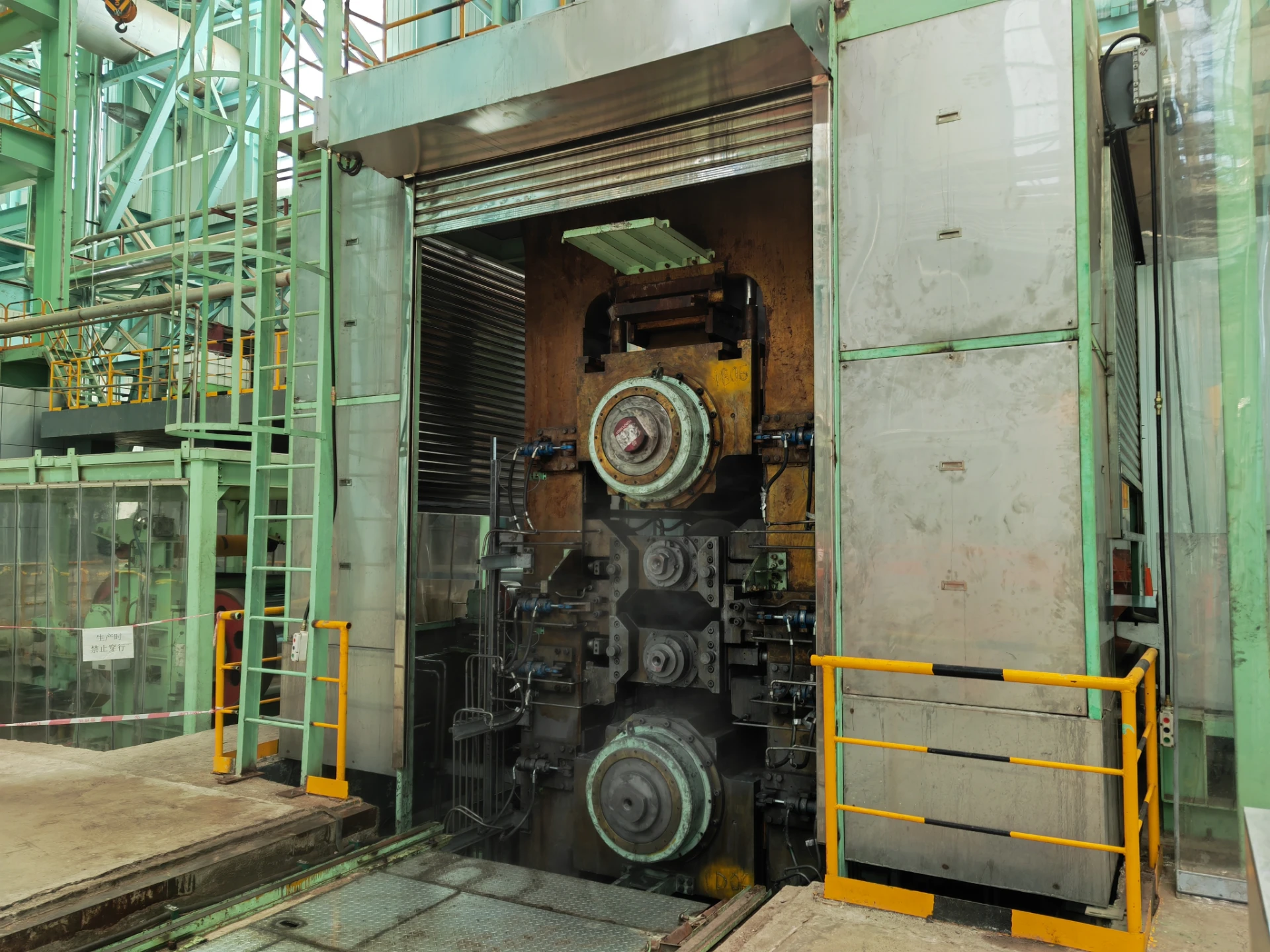 reversible rolling millAluminum rolling mills play a pivotal role in the production of high-quality aluminum sheet and plate. These machines are integral to manufacturing processes across various industries, including automotive, aerospace, and packaging. The aluminum rolling process itself is a meticulous art that demands precision, expertise, and state-of-the-art technology to ensure the delivery of top-tier products.


